Budget Gourmet Dining Strategies
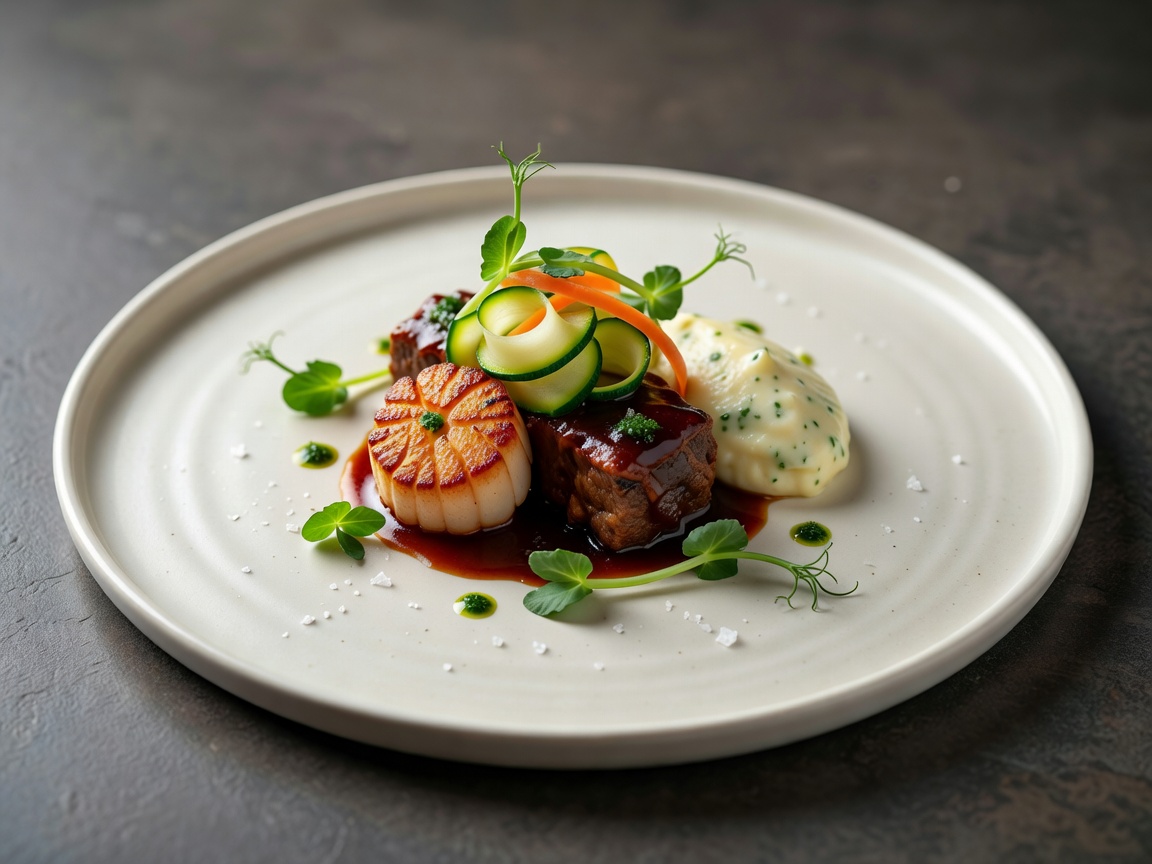
Fine dining represents the pinnacle of the culinary arts—a symphony of atmosphere, technique, and exceptional ingredients. Yet, the barrier to entry for highly acclaimed restaurants has grown increasingly steep. Experiencing the heights of gastronomy without enduring the resulting financial strain requires a tactical approach, understanding industry rhythms, and rethinking where and when fine food is consumed.
The Pre-Fixe Lunch Advantage
The most universally effective method for experiencing Michelin-starred or highly rated establishments on a budget is the weekday lunch service. Many top-tier restaurants operate at a loss or break-even point during lunch, utilizing the service to keep staff employed and prep work flowing for the more lucrative dinner service.
Consequently, they frequently offer set multi-course menus (pre-fixe) that showcase the kitchen's signature techniques and flavors at a fraction of the evening a la carte or tasting menu prices. The room is often quieter, the natural light allows for a beautiful appreciation of the plating, and the service remains meticulous.
Culinary Institutes and Training Restaurants
A little-known secret of the budget gourmand is the culinary academy. World-renowned cooking schools often run student-operated dining rooms open to the public. Because the primary goal of these establishments is education rather than profit, diners can experience ambitious, technically complex dishes made with premium ingredients at astonishingly low prices.
- Pros: Exceptional value; highly motivated kitchen staff; classic techniques.
- Cons: Service, being student-led, may occasionally lack the seamless polish of a seasoned front-of-house team.
"Gastronomy is the intelligent knowledge of whatever concerns man's nourishment. Access to it should be a matter of curiosity, not merely capital."
BYOB (Bring Your Own Bottle) Establishments
In many premium dining scenarios, the cost of alcohol vastly overshadows the cost of the food itself. Restaurants routinely mark up wine between 300% and 500% to ensure profitability. Seeking out high-quality establishments that allow diners to bring their own wine (even if a modest corkage fee applies) allows you to curate an exceptional pairing for your meal at retail prices.
This strategy allows you to invest more of your budget into the cuisine while still enjoying a vintage that complements the chef’s vision perfectly.
Elevating the Home Kitchen
True luxury dining doesn't only happen in restaurants. The democratization of ingredient sourcing means that everyday consumers now have access to the same purveyors utilized by high-end kitchens. Spending a premium on a singular, spectacular ingredient—such as genuine aged balsamic vinegar from Modena, dry-aged prime steaks, or fresh truffles in season—and preparing it simply at home provides a dining experience that money can barely buy in a restaurant.
Pairing these ingredients with proper technique (learning the fundamentals of pan sauces, proper searing, and emulsification) bridges the gap between home cooking and fine dining, making everyday luxury a tangible, sustainable reality.