High-Street Fashion Secrets for a Premium Aesthetic
True elegance in fashion is rarely about recognizable logos or staggering price tags. Instead, it is born from an understanding of drape, silhouette, and textile quality. The contemporary high street, while flooded with fast-fashion disposability, also harbors pieces capable of anchoring a sophisticated wardrobe—provided you possess the discernment to identify them.
The Supremacy of Natural Fibers
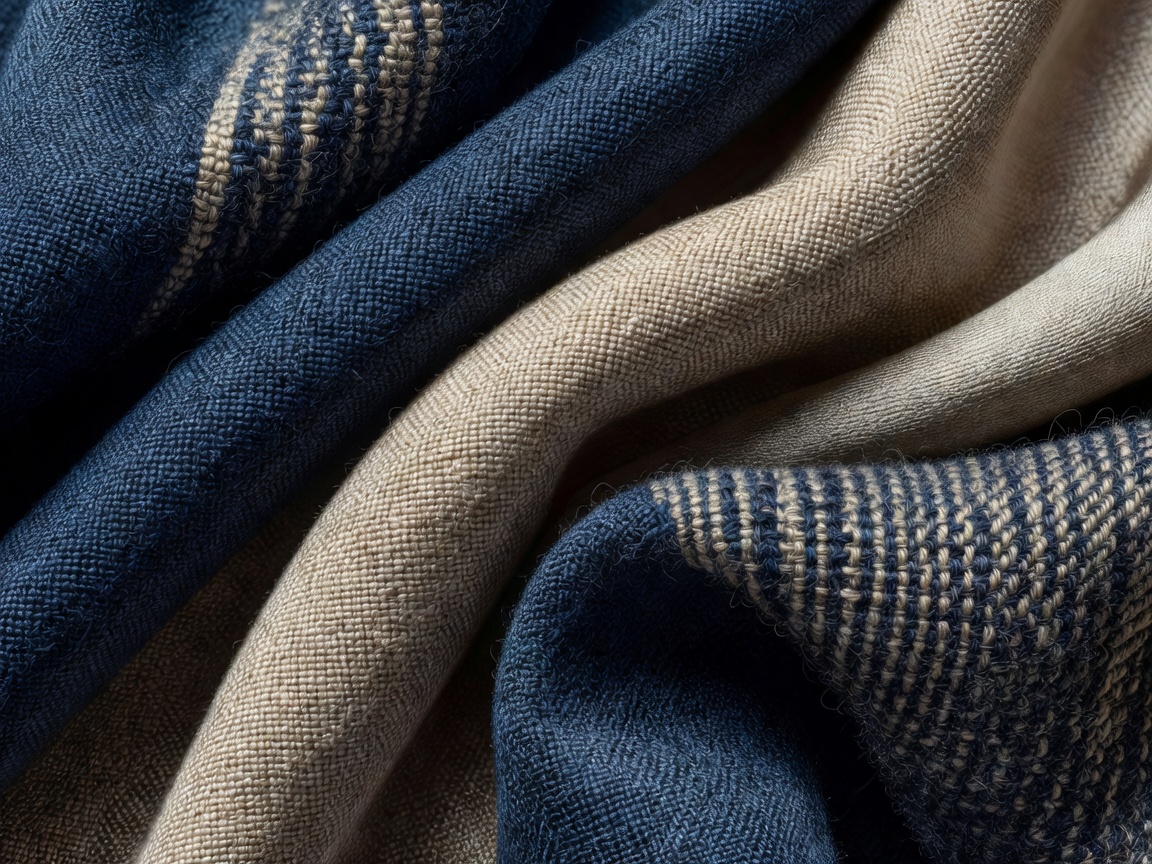
The most immediate differentiator between luxury garments and their cheaper counterparts is the fabric composition. High-end design houses prioritize silk, cashmere, merino wool, linen, and heavy-weight cotton. Synthetic fibers like polyester, acrylic, and nylon not only lack breathability but frequently present an artificial sheen that instantly betrays a garment's low cost.
When navigating the high street, developing a habit of immediately checking the composition tag is essential. A 100% merino wool sweater from a mass-market retailer will drape beautifully, regulate temperature efficiently, and age significantly better than an acrylic blend from a mid-tier designer brand costing five times as much.
- Silk: Look for substantial weight (momme). High-street silk can be excellent but is often very thin.
- Linen: Accept the wrinkles. High-quality linen has a natural texture that synthetic blends try, and fail, to replicate.
- Cotton: Seek out mercerized or pima cotton for t-shirts and shirting, which offer a smoother, more refined finish.
The Transformative Power of Tailoring
Ready-to-wear clothing is cut to fit a generalized, composite body shape. Consequently, even the most expensive off-the-rack garments will rarely fit perfectly. The secret weapon of sartorially inclined individuals is a reliable tailor. Purchasing a moderately priced blazer, trouser, or dress and investing a small sum in professional alterations elevates the piece dramatically.
Common, highly effective alterations include:
- Taking in the waist of a blazer to create a sharper silhouette.
- Hemming trousers to a precise break over your preferred footwear.
- Slimming the sleeves of a shirt or dress to prevent excess fabric from looking unkempt.
"Fit is the fundamental language of style. A perfectly tailored affordable garment will always outshine an ill-fitting designer piece."
Curating the Capsule Wardrobe
The philosophy of the capsule wardrobe—a highly curated collection of versatile, interchangeable items—is perfectly aligned with achieving luxury on a budget. By minimizing volume, you can maximize quality. Instead of purchasing ten inexpensive seasonal trend pieces, allocate that same budget to two or three impeccably crafted staple items: a classic trench coat, a perfectly cut white poplin shirt, or a structured leather tote.
Color palettes play a vital role here. Neutral tones (camel, navy, black, ivory, and charcoal) inherently appear more expensive and cohesive than hyper-saturated colors or complex prints, which can highlight inferior dye processes or poor pattern matching at the seams.
Hardware and Details
Finally, scrutinize the hardware. Cheap, shiny plastic buttons or flimsy zippers are the fastest way to ruin a garment's aesthetic. A simple yet incredibly effective upgrade is to purchase a high-street coat or cardigan and replace the stock buttons with genuine horn, mother-of-pearl, or subtle metal hardware purchased online or from a craft store. This minor modification can visually multiply the perceived value of the item exponentially.